
Drone buying guide
Pick the Drone That Fits the Job
Buying guides by use case: first drones, camera drones, FPV, travel and work, plus the FAA rules that change what you should buy.
Most drone buyers start with specs, but the better first question is what the drone is for. A travel camera, a child’s first quad, an FPV kit and a drone for listing photos need different things, and the official FAA resources explain which rules follow from each choice.
Weight decides whether a hobby drone must be registered, flying for work needs a Remote Pilot Certificate, and spare batteries have their own airline rules. Our guides walk through each use case so you can compare drones, accessories and training with the right questions in mind.
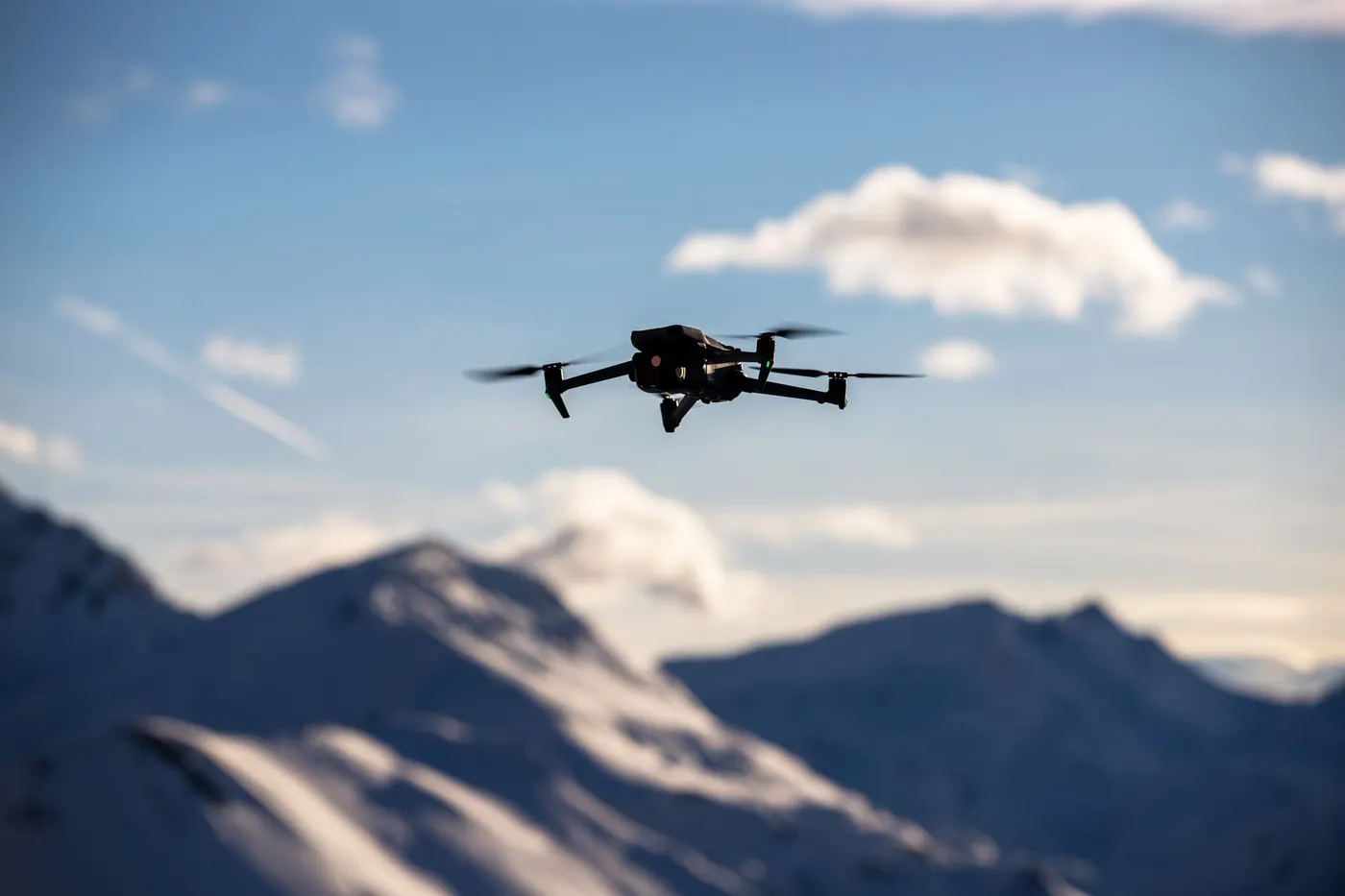
Guides
Drone Buying Guides by Use Case
Every guide on the site, from first drones to Part 107 work.
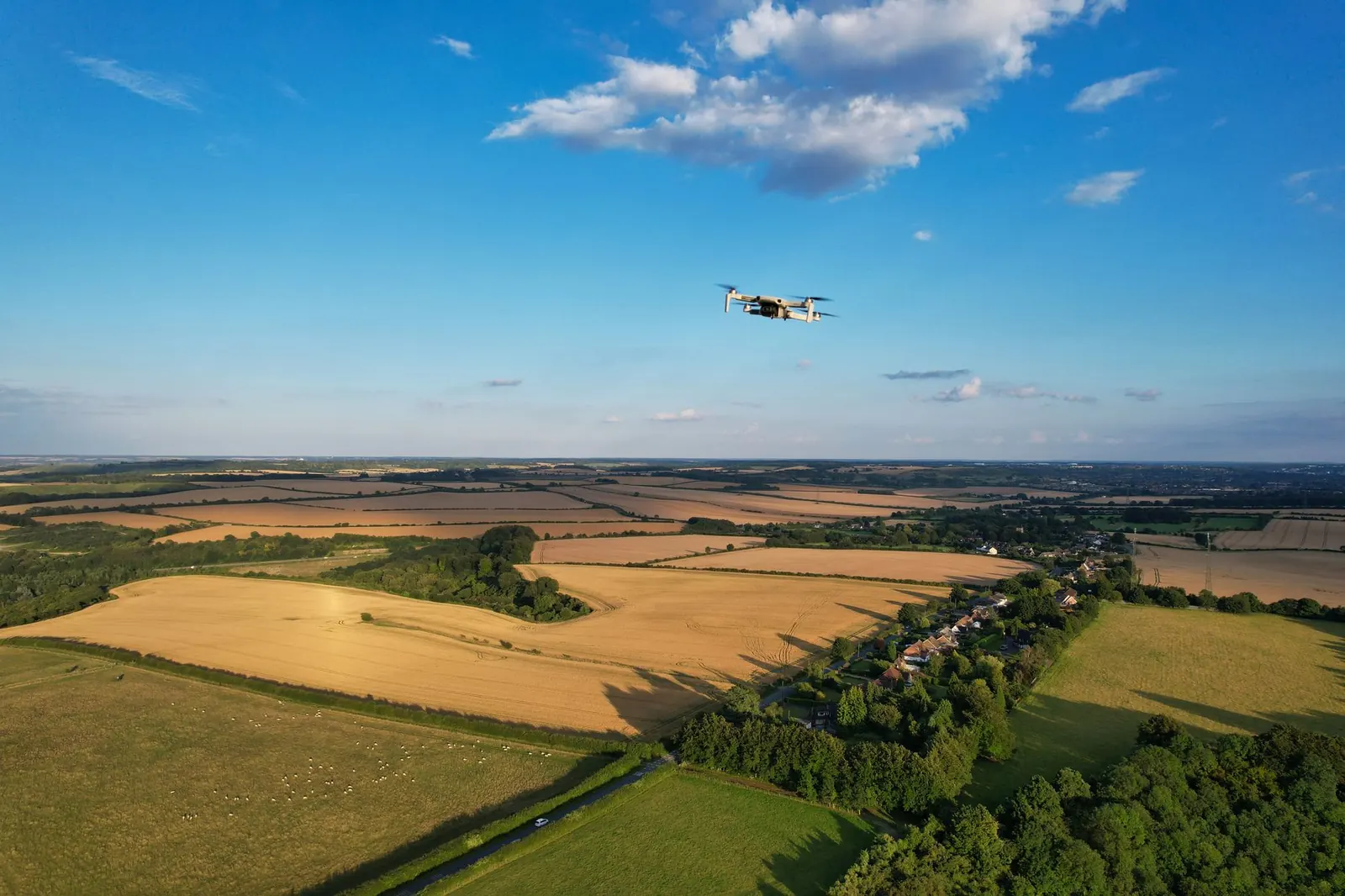

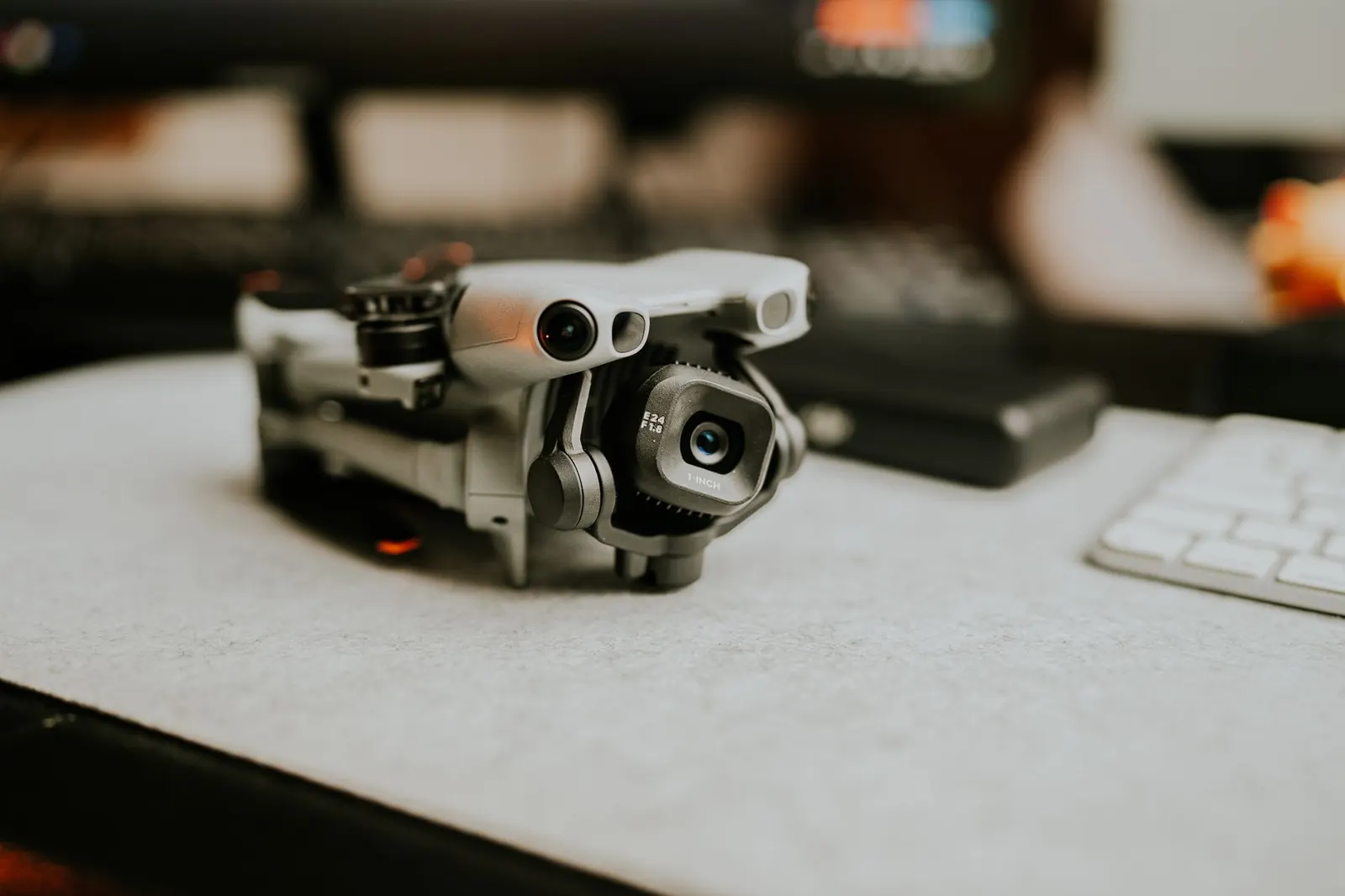
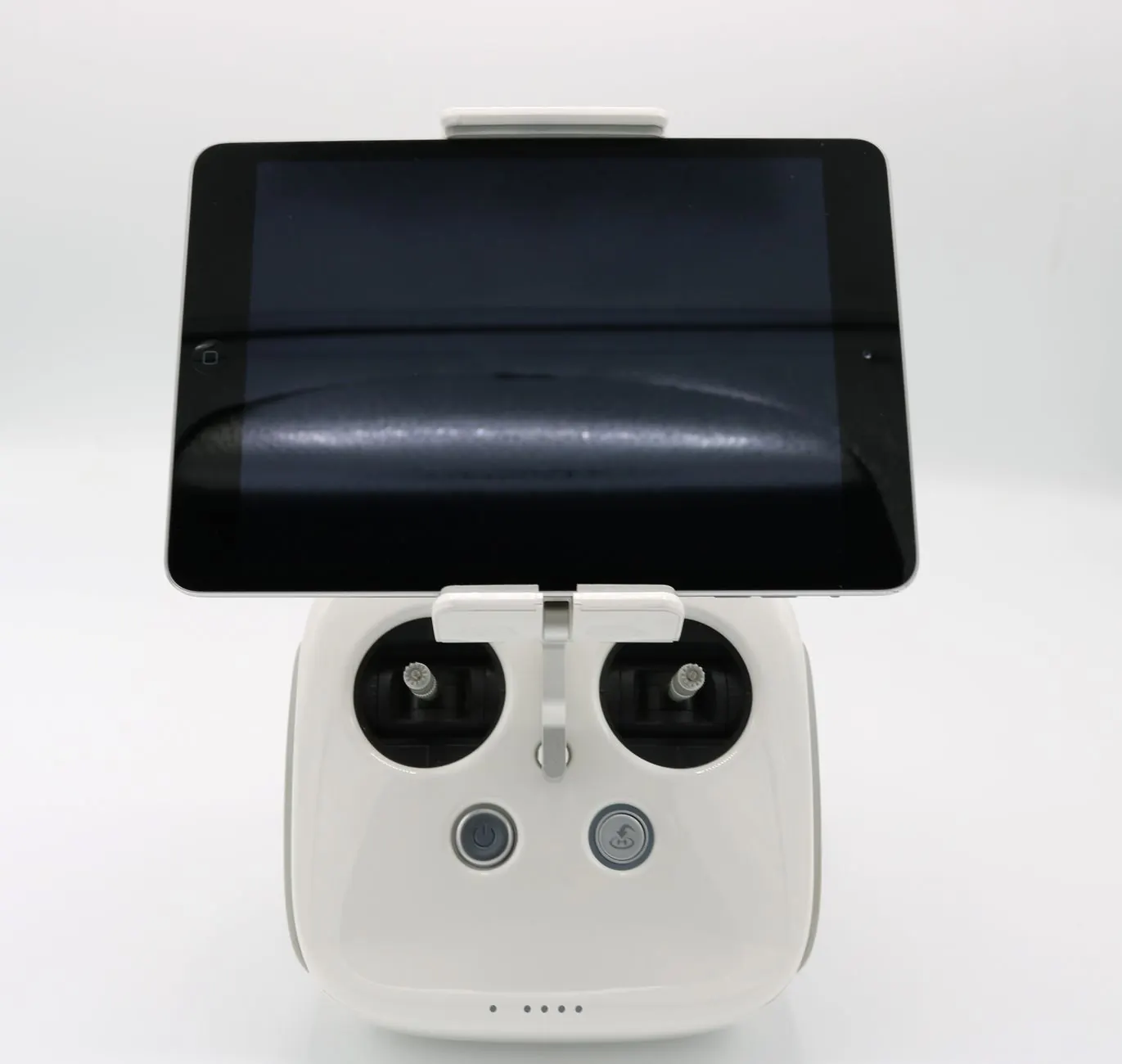

Show 18 more guides
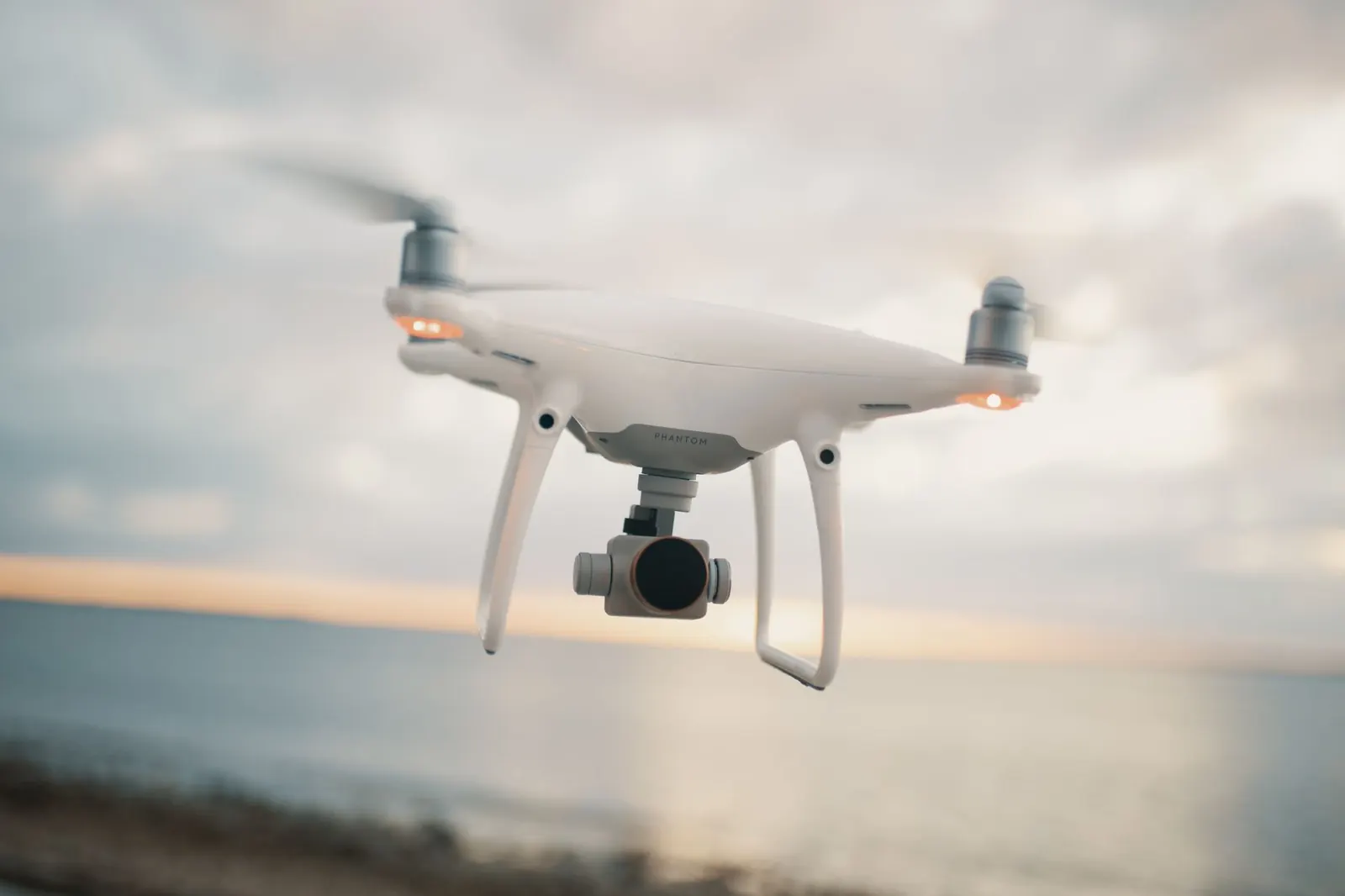
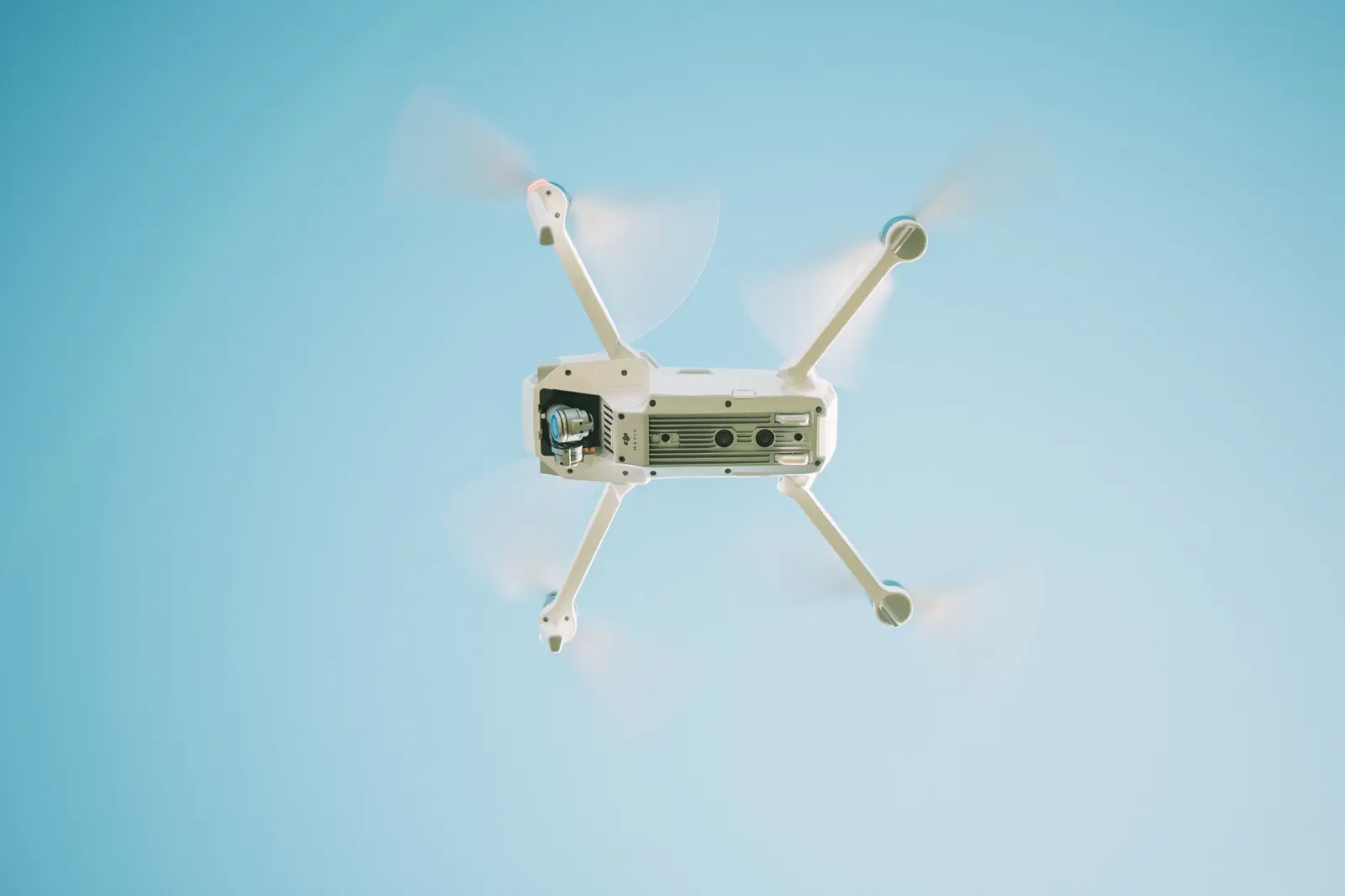
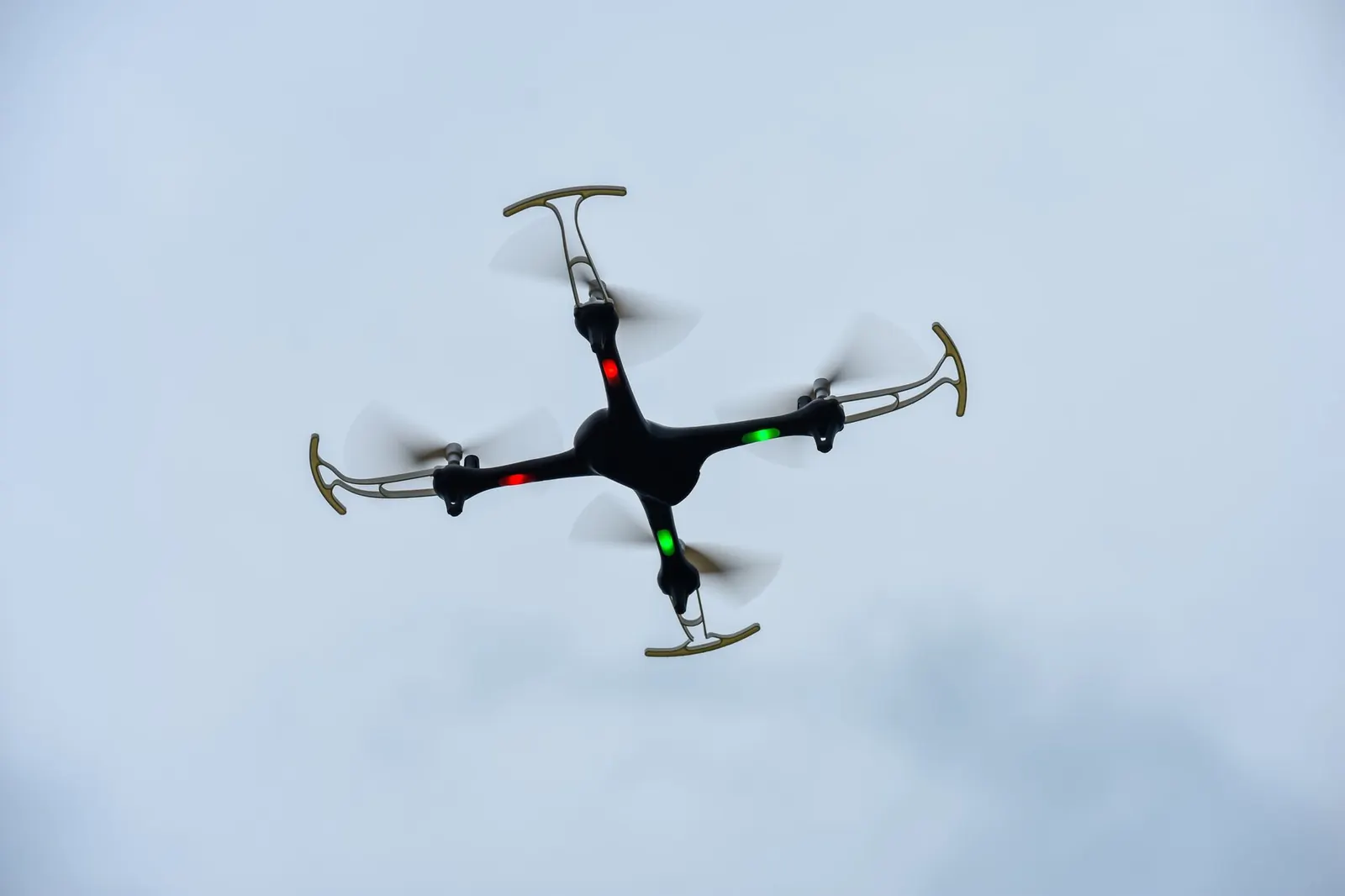
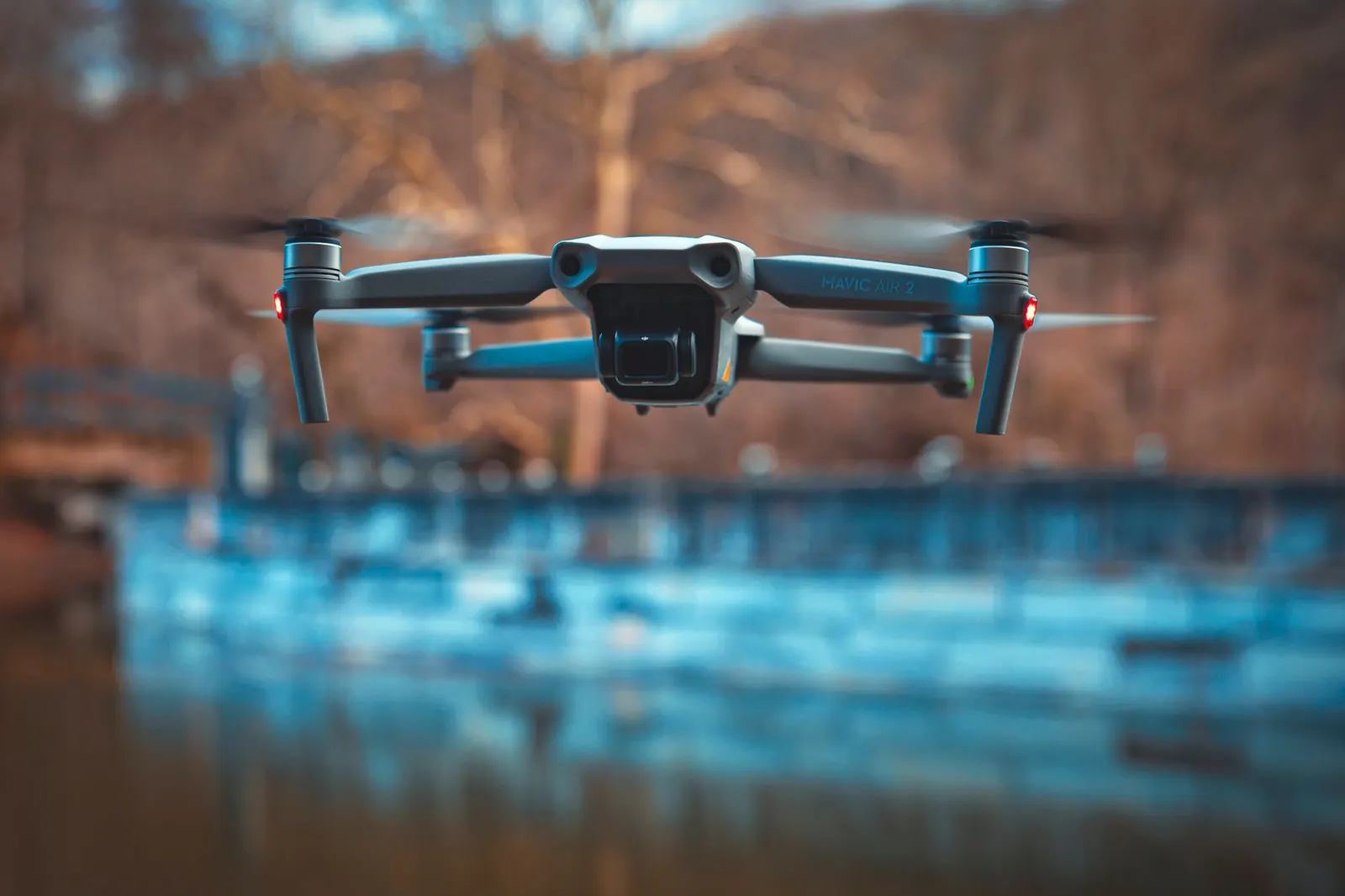
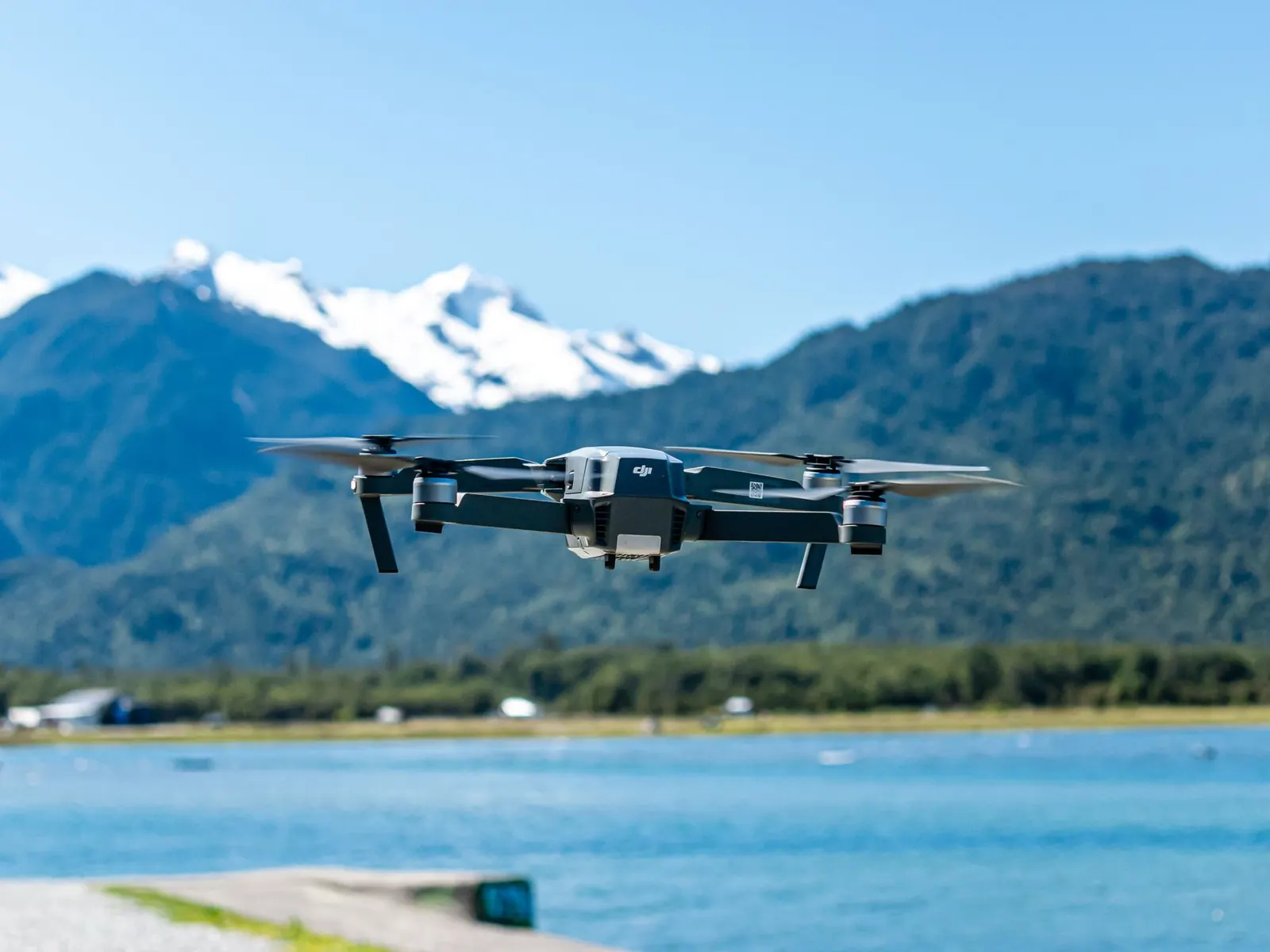
Start here
How to Buy a Drone Without Regretting It
A drone purchase goes well when the aircraft, the accessories and the paperwork all match what you plan to do. Here is the short version.
Name the job first
Write down the main thing you want to do in the first few months: learn to fly, film trips, entertain the kids, race FPV or take photos for work. Each use points to a different kind of drone. Trying to cover every use with one aircraft often ends with something too big to carry, too fragile to learn on or too limited for good video.
If you are unsure, start small. A light, inexpensive drone teaches the basics and shows you what you actually enjoy before you spend on a larger camera drone or an FPV setup.
Check the weight
In the United States, the FAA requires registration for every drone except those of 0.55 pounds or less, under 250 grams, flown only for recreation. Drones flown for work under Part 107 must always be registered. Registration costs $5 and lasts three years, so it is simple, but it is worth knowing before you buy.
Accessories add weight. If you plan to rely on the recreational exception, weigh the drone as you will fly it.
Decide: hobby or work
The FAA says compensation alone does not decide whether a flight is recreational. Taking photos to help sell a property, roof inspections and pictures for a school’s website are all examples the FAA gives of Part 107 flying, which needs a Remote Pilot Certificate. When in doubt, the FAA says to assume Part 107.
Hobby flyers take the free online TRUST test and carry proof. Work pilots pass a knowledge test at an approved testing center and complete recurrent training every 24 calendar months.
Budget for batteries and gear
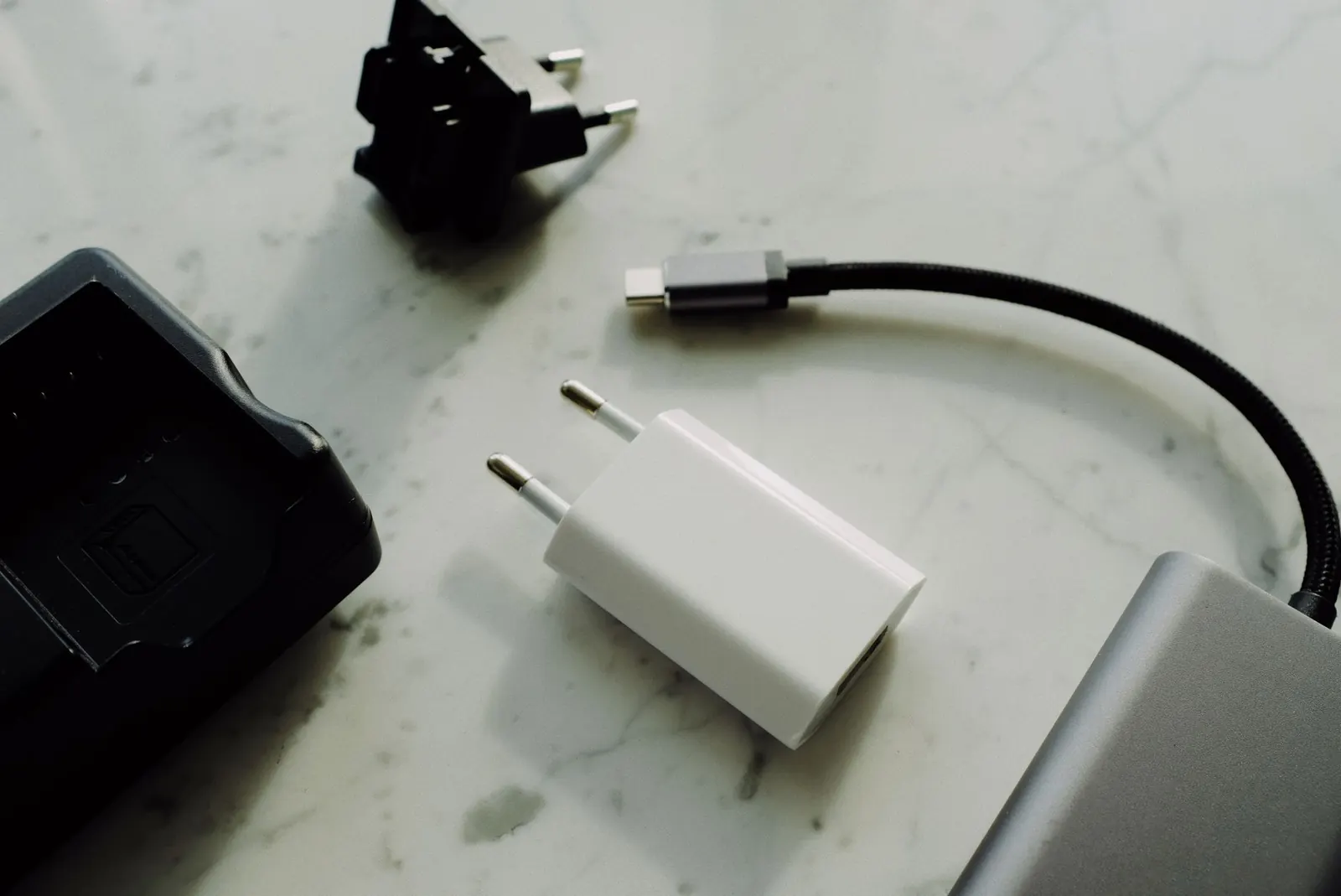
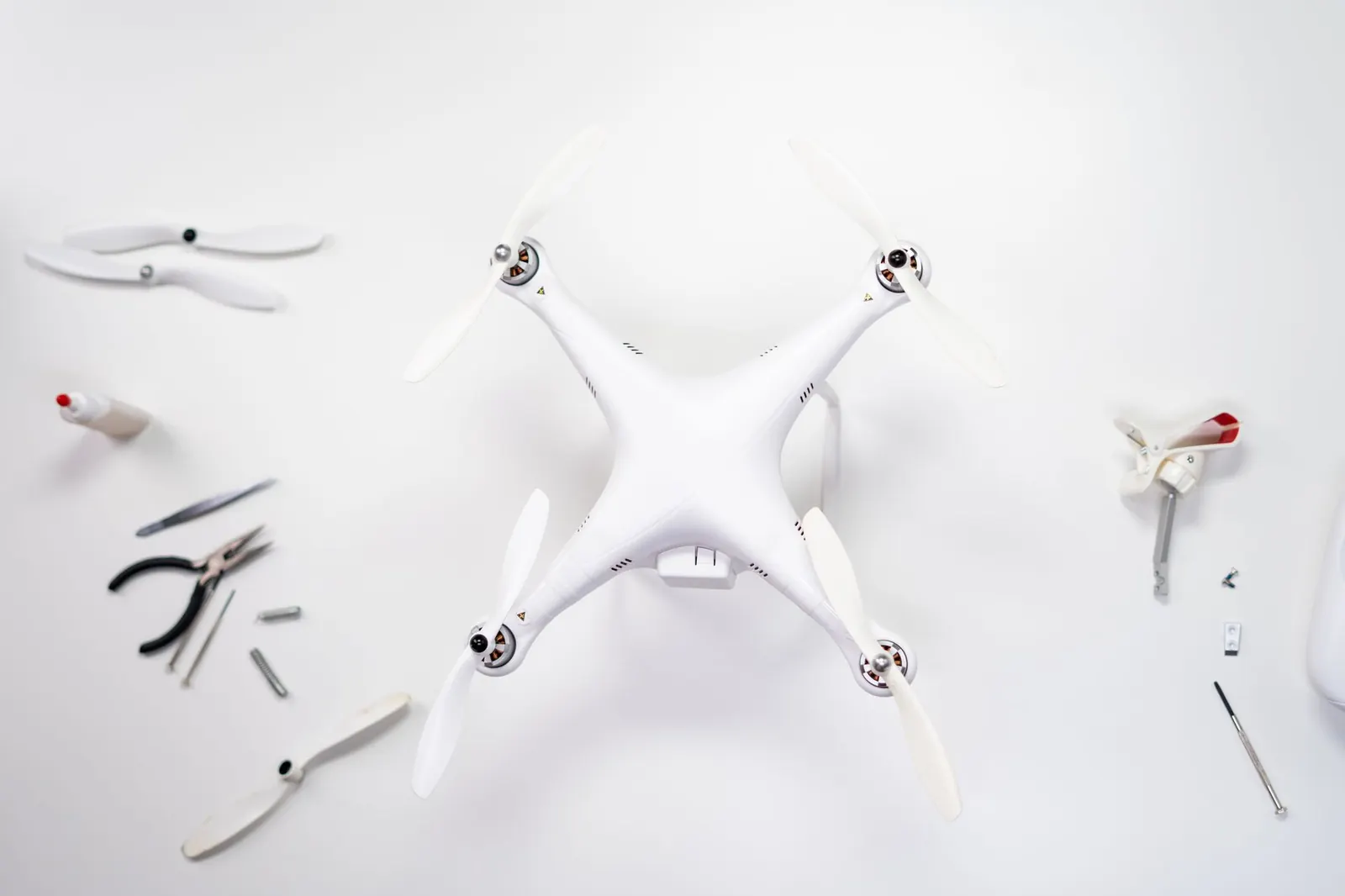
One battery is one short flight. Most owners end up with two or three, a charging hub, spare propellers, a case and a fast memory card. Compare bundles against the basic package plus the extras you really need.
If you fly on airlines, spare lithium batteries go in carry-on bags with terminals protected. The FAA limit is 100 watt-hours per battery, and 101 to 160 watt-hours needs airline approval.
Know where you can fly
Before the first flight, check the spot in an FAA-approved B4UFLY app. Controlled airspace near many airports needs prior authorization, often through LAANC. Parks, cities and landowners set their own rules for takeoff and landing, and national parks prohibit launching drones.
Once those checks are routine, the fun part is easy: pick an open field, charge the batteries and fly.
FAQ
Questions People Ask Before Buying a Drone
What does Drone Buying cover?
How to choose a drone for a specific use, which features matter, what accessories help, and the FAA rules that affect the purchase.
Do I need to register my drone?
In the US, yes if it weighs 250 grams or more and you fly for fun, and always if you fly under Part 107 for work. Registration is $5 and lasts three years.
Is a drone under 250 grams free of rules?
No. It only avoids registration for recreational flying. TRUST, visual line of sight, the 400-foot limit and airspace rules still apply.
What is the TRUST test?
A free online safety test the FAA requires for recreational flyers. You carry the certificate when flying.
Do I need a license to take real estate photos with a drone?
The FAA treats photos to help sell a property as Part 107 flying, which requires a Remote Pilot Certificate.
Can I take drone batteries on a plane?
Spare lithium batteries must go in carry-on bags with terminals protected. Airlines may set stricter limits.
Do you recommend specific drone models?
No. We explain what to look for by use case and do not rank brands or models.
Where can I confirm the rules?
On the FAA’s drone pages. Each guide names the official source it relies on.